
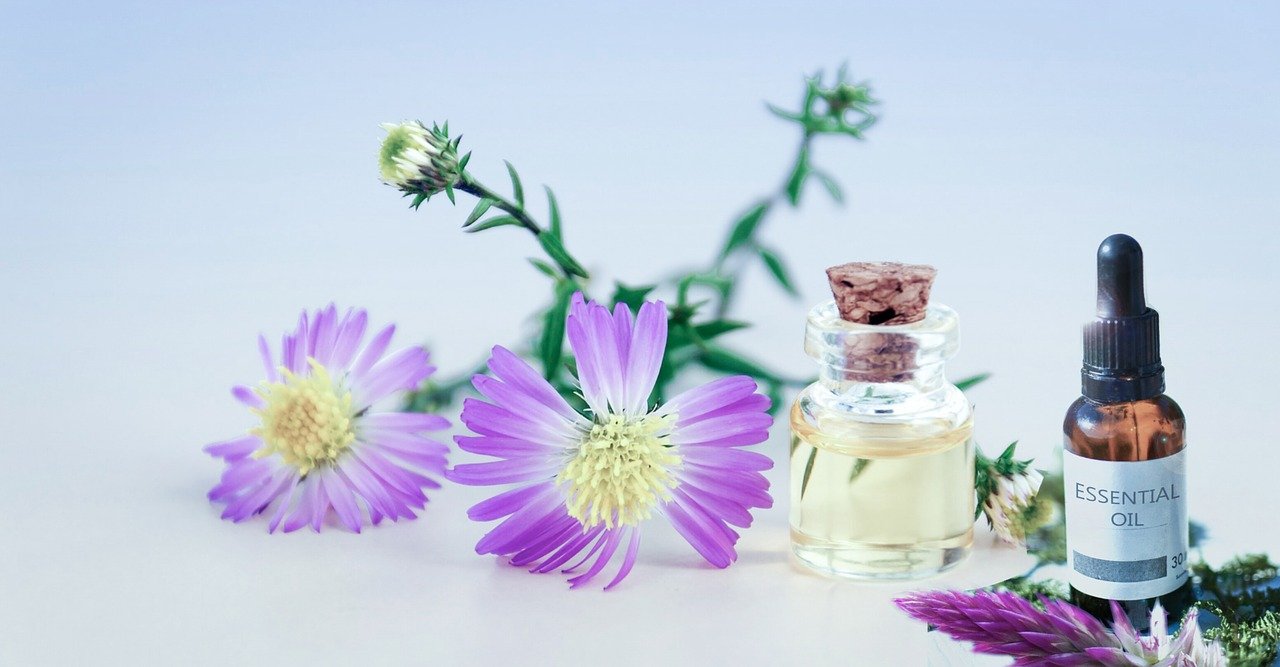
Essential oils (EOs) continue to receive rave reviews for their multiple benefits for the human body.
Discover The real Benefits of Essential Oils For health and Wellbeing
Essential oil is “a concentrated hydrophobic liquid containing volatile (defined as “the tendency of a substance to vaporize”) aroma compounds from plants. Essential oils are also known as volatile oils, ethereal oils, aetherolea, or simply as the oil of the plant from which it is derived.”
The therapeutic value of essential oils varies greatly depending on an equally varying number of determinate factors, such as the quality of the method of extraction (which is usually done by a steam extraction method), the timing during which the plant being utilized was grown, and harvested, and naturally, the medicinal power that is inherent to the plant itself.
Typically, 100% pure essential oils are the ones that hold therapeutic value for a variety of health benefits.
How to use essential oils
There are numerous methods via which essential oils can be employed
into any health benefiting regimen and the following are 5 of those methods (although there exist more options concerning this, these are the 5 that tend to be the most “user friendly.”
Direct Inhalation
This method can be achieved through a variety of ways, the most
obvious being to simply inhale nasally the vapors from the bottle
directly. You can also soak a cotton ball with the oil and leave it in your purse to inhale all day.
Steam Inhalation
Another method is steam inhalation, which involves placing a few
drops of oil in a bowl of steaming water and placing a towel over your head and breathing in the vapors.
Diffusion
Diffusing Through The Air Via Natural Evaporation This method is probably the most used of all of the ways in which essential oils can be employed and involves no electric sockets or other electronic devices.
This method can be achieved simply by placing 10 – 15 drops of the
chosen oil in a bowl of hot water that has been salted with either
Epsom salts or sea salt, which help with the diffusion process
throughout the night.
Other ways of achieving this method are by the commercially made
and produced terra cotta bowls that are designed specifically for
diffusing essential oils, or by soaking a cotton ball in the oil of your choice and placing it by your bed overnight (this is probably better for the very pungent or overpowering oils but is not quite as effective as the other natural diffusion methods listed above).
Direct Skin Contact
Diluting any chosen with a carrier oil, such as Jojoba, Olive or Almond oil allows you to apply it directly to the skin without the risk of burns.
This method is ideal for massage or dabbing the blend onto your
wrist, neck, or other parts of the body. Diluting with a carrier oil is important as some oils, such as peppermint, wintergreen, lavender, and others can cause burns if applied directly to the skin.
Indirect Or Diluted Skin Contact
This method is a great option if there are oils that would do best by direct contact but are too powerful when they are not diluted
somehow. Placing several drops of any oil in a hot (preferably salted with Epsom salts) bath or into your shower basin provides for an aromatic and healing experience.
Diluting an oil in distilled water in a spray bottle and then spraying on linens, clothes, etc. are both fantastic ways to “gently” receive the beneficial properties of the more potent oils.
Diffusion Via Electronic Devices
We certainly live in a modern world, and there are a number of
commercially made devices that deliver oil through electric diffusers that work in your home, office, or car, and there are even diffusers that work via USB ports (that are reported to be quite a user friendly and effective).
Most Popular and Widely Used Essential Oils
The power of essential oils and the benefits of aromatherapy have
garnered a lot of attention from naturopaths and skeptics alike over the past decade or so, and that interest has prompted numerous
studies to be done on which oils have the most beneficial properties and for what conditions do certain oils seem to have the most desired effect.
Following is a list of the ten most used essential oils and of what
conditions these special oils have healing properties against.
Bear in mind, however, that this list is a compilation of merely a few of the essential oils that are available, and that there are many, many more plants whose oils are beneficial to your health and wellness.
Lavender
The scientific name for this pretty purple plant is Lavandula, and it grows easily in most parts of the world. It is used generously in the perfume industry because of its pleasant fragrance, but its therapeutic properties are that of calming, destressing, relieving anxiety, and combatting insomnia.
Clary Sage
Also known as Salvia Sclarea, the oil from this flower is reputed to have analgesic properties, specifically in terms of female pain such as menstrual cramps or labor pains.
Peppermint
Although the oil from the plant Mentha x Piperita can be somewhat
caustic in its super concentrated form, this oil will work wonders as an anti-emetic when saturated into cotton ball that then can be inhaled.
A few drops of this oil in a hot bath will also soothe sore muscles. Peppermint is also a powerful insect repellant, and if lined around kitchen surfaces will create a boundary over which no ant dares cross.
Tea Tree
The oil from the plant Melaleuca Alternifolia is renowned for its
antiseptic properties as it has been found to effective as an antifungal, antiviral, and antimicrobial agent. It can also be added to any shampoo to relieve dry scalp and dandruff.
Rosemary
Not only is the plant Rosmarinus Officinalis wonderfully versatile in culinary applications, but it also yields an essential oil that is fantastic for dry, itchy scalp and dandruff, but also has been used effectively as a bronchodilator and an expectorant for congested lungs.
Lemongrass
Like Rosemary, the plant Cymbopogon Citratus also has many uses in
the culinary arts; however, its essential oil is highly effective as a sanitary agent and can be used as an antiseptic. It also is a powerful insect repellant.
Lemon
The oil from the fruit Citrus x Lemon is generally considered to be
“uplifting” in that it has rejuvenating, energy inducing, and immune-supporting properties. It is also highly effective as a non-toxic alternative in household cleansers.
Rose
While obviously famed for its aesthetic beauty, the plant Rosa
Damascena is considered by many to be the “Queen of Essential Oils”
and is widely used for its anxiolytic, rejuvenating, stress-relieving and even pain relief properties.The essential oil derived from roses also has been proven as an effective anti-inflammatory agent and can be helpful for joint pain and other arthritic conditions.
Ylang Ylang
The plant Cananga Odorata primarily grows in Asian countries and is
popular as an aphrodisiac and for its uplifting and anti-depressant
properties.
Roman Chamomile
We’ve all heard that drinking chamomile tea in the evening can help
alleviate insomnia and restlessness, and the oil from the plant
Chamamelum Nobile can be utilized for its sedative properties.
As well it has been found to be enormously effective in alleviating PMS symptoms and other discomforts associated with menstruation.
Chamomile, in any of its forms, is incredibly soothing and calming.
When most people think of essential oils, they think of aroma
therapy. But when you think of how many plants there are and what properties they have, it makes a lot of sense that some essential oils do more than just smell good. Some essential oils can also help our bodies to keep away or fight off infections.
Click on the photo below to
DISCOVER HOW ESSENTIAL OILS CAN HELP YOU LIVE BETTER
CHECK OUT THE ESSENTIAL OILS GUIDE BELOW
Click Here For Essential Oils To Boost Immunity And Fight Infections
Disclaimer: Our website services, content, and products are for informational purposes only. Infofool or affiliates does not offer personal health, medical advice, diagnosis, or treatment.
You should always consult your healthcare provider before starting any diet, fitness, exercise, medical, wellness, or nutrition program. If you’re facing a medical emergency, call your local emergency services immediately, or visit the nearest urgent care center or emergency room.